
A federal court earlier this year struck down several tariffs imposed during the Trump administration, allowing automakers to seek refunds on duties they paid. A class-action lawsuit now seeks to return some of that money to car buyers.
Ford recorded a $1.3 billion tariff benefit—and one customer demands a share
Ford reported the one-time $1.3 billion benefit in its financial statements, linked to tariffs paid between March 2025 and February of this year. The company has not confirmed whether the funds have been received, but the accounting entry attracted notice.
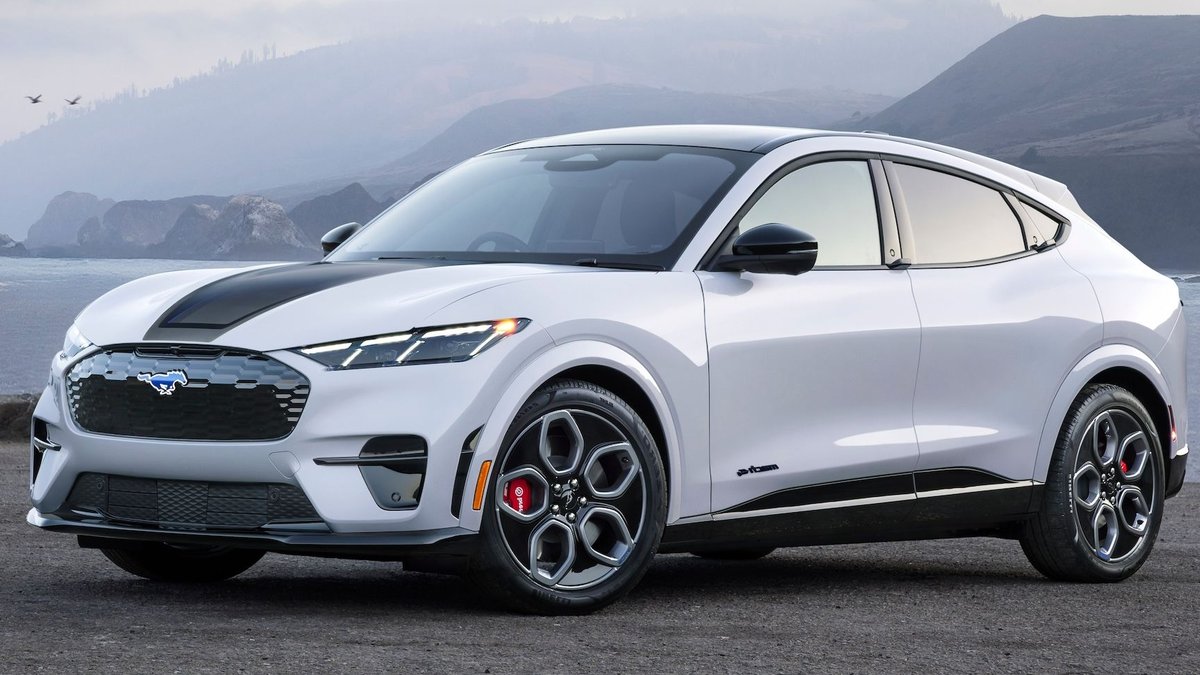
A California man who purchased a Mustang Mach-E during that period filed the lawsuit. He claims tariffs artificially raised his vehicle’s price and that buyers should receive a portion of any refunds Ford collects. The suit requests the automaker set aside tariff-related refunds until the case concludes, rather than using the funds to offset losses in other areas like Ford Pro.
The company has not addressed the lawsuit’s specifics beyond stating it is “reviewing the complaint.” Legally, tariff refunds usually go to the “importer of record”—Ford in this case—not consumers. The lawsuit argues that if the company receives a refund, it gains twice: once from higher vehicle prices and again from the refund itself.
For most buyers, the case faces long odds. Courts rarely require companies to pass tariff refunds to consumers, and past rulings have favored businesses in similar disputes.
Related: Canadian film showcases Bricklin SV-1 car
Some tariffs remain in effect. While courts blocked many Trump-era duties, others on steel, aluminum, and auto parts continue. These add costs for automakers, who may or may not pass them to customers. The lawsuit against Ford does not challenge the tariffs themselves but could influence how refunds are distributed if more duties are overturned.
The case is still in its early stages, with Ford yet to file a formal response. If it proceeds, resolution could take years. Even if the court sides with plaintiffs, refunds would likely be modest—spread across thousands of buyers, the $1.3 billion would amount to a few hundred dollars per person at most.
For now, the lawsuit highlights how trade policy can produce unintended effects. Tariffs are often promoted as protection for domestic industries, yet they can create corporate windfalls while leaving consumers with higher prices and limited options when rules change.
The legal battle over tariff refunds is just beginning. If other automakers report similar benefits, more buyers may take action, turning a corporate accounting detail into a broader discussion about fairness in the auto industry.


