
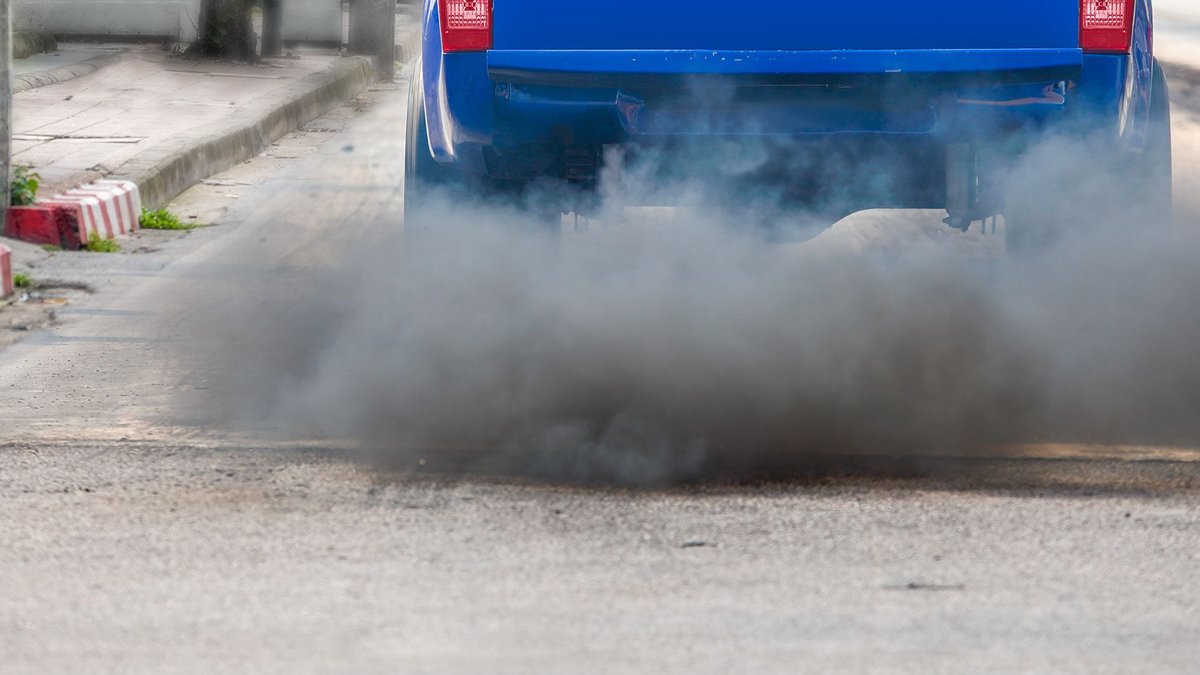
US President Donald Trump issued a series of pardons on July 3, including some to diesel tuners who had violated the Clean Air Act. The pardoned individuals had been found guilty of installing emissions-system “delete kits” on trucks, which allowed the vehicles to operate without mandated equipment like exhaust-gas recirculation systems or diesel particulate filters.
According to the filing, nine people, including two men associated with a business called “Diesel Freak,” had their convictions cleared. They had used or installed “defeat devices” that bypassed emissions equipment on diesel-powered vehicles.
The majority of the pardoned individuals had used or installed these devices, which can take the form of software changes or new parts. Many require both, and are colloquially referred to as “delete kits.” Proponents of these devices claim that the bypassed items are troublesome, expensive to fix, and cause performance issues.
One of the individuals pardoned, Aaron Rudolf, had previously pleaded guilty to conspiring to violate the Clean Air Act. His shop, Rudy’s Performance Parts, was slapped with a $7-million civil penalty for the sale or installation of over 250,000 defeat devices between 2014 and 2019.
Rudolf himself was sentenced to three years of probation and a $600,000 criminal fine. The Environmental Protection Agency estimated that the defeat devices sold by Rudy’s and Rudolf would cause additional emissions equal to “adding over 11 million vehicles” to America’s roads.
Trump framed the pardons as a solution to people being arrested “for fixing their car.” The decision has been met with scrutiny, given the seriousness of the convictions. In one example, Rudolf and his shop pleaded guilty to criminal charges in federal court, resulting in significant fines and probation.
The EPA’s estimate of the additional emissions caused by the defeat devices highlights the potential environmental impact of the pardons. It’s clear that the decision will have significant implications for the enforcement of the Clean Air Act and the regulation of emissions in the automotive industry, including the development of electric vehicle charging infrastructure.
As the news of the pardons broke, some began to consider the potential consequences for the future of emissions regulation. With the current administration’s stance on environmental issues, it’s possible that we could see a shift in the way emissions are regulated, although it’s too early to say for certain.
The Environmental Protection Agency will likely continue to monitor the situation and ensure that companies and individuals comply with the Clean Air Act. For now, the focus remains on the pardons and their potential impact on the industry.
Aaron Rudolf’s case is a notable example of the pardons’ implications.


