
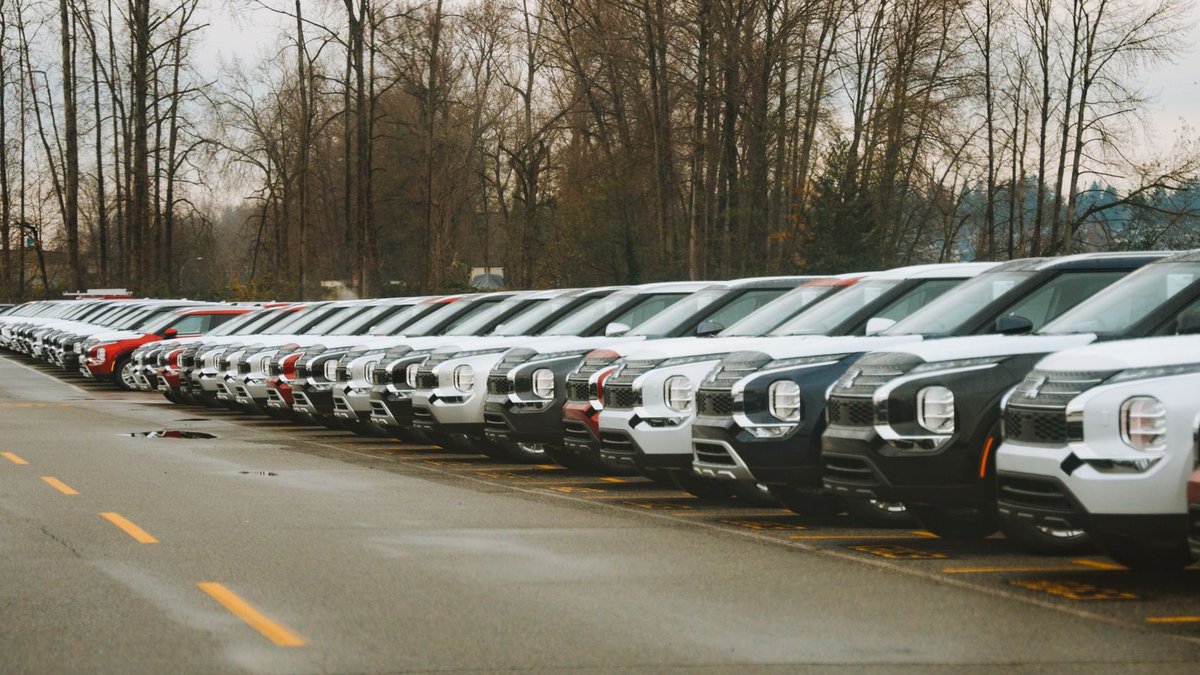
Sales of small SUVs in Australia have surged past those of small passenger cars, marking a shift in consumer preferences.
Declining demand for compact cars
Data show a fall in new small‑car registrations. In 2005, Australians bought roughly 220,000 compact models, representing about 21 % of the market, with the Toyota Corolla leading at 26 % share. By 2025, total sales of small cars dropped to 72,000, down from 93,000 the year before. The Corolla still holds the top spot, but the overall segment has shrunk.
Rapid growth of the small SUVs segment
Small SUVs were virtually nonexistent in 2006, with fewer than a thousand units sold nationwide. Twenty years later, 200,000 new small SUVs were delivered in 2025, an 11 % increase over 2024. Early 2026 figures already show a five‑percent rise through June, suggesting the trend will continue. The market now offers 47 models from 31 manufacturers, giving buyers unprecedented choice.
Fuel efficiency concerns have intensified after recent geopolitical events, prompting many shoppers to seek hybrid or electrified options. Fifteen small‑SUV models now include hybrid variants, and the segment’s top sellers—such as the Honda HR‑V and Hyundai Kona—reflect this shift.
Pricing battle between leading models
The Honda HR‑V e:HEV L carries a sticker price of $42,900 drive‑away, while its lower‑trim e:HEV X is $39,900. The entry‑level petrol version starts at $34,900. Hyundai’s Kona Elite hybrid lists at $39,950, translating to about $44,322 drive‑away after on‑road costs. This places Honda ahead by roughly $1,400, a margin comparable to a year’s fuel expense for an average driver.
Related: Exclusive rings over $3000
Both brands limit exterior colour choices—five shades for Honda at no extra cost and six for Hyundai, with four incurring a $595 premium. Standard equipment across the two includes 18‑inch alloy wheels, dual‑zone climate control, heated front seats, wireless smartphone integration, rain‑sensing wipers, a six‑speaker audio system, and a suite of driver‑assist technologies.
Original perspective
Comparing today’s shift to the early 2000s, when compact sedans dominated, the rise of small SUVs mirrors previous cycles where consumer demand moved toward higher‑riding vehicles offering perceived safety and versatility. The current surge is reinforced by fuel‑efficiency technology, echoing past trends where regulatory pressures and fuel price volatility drove buyers toward more economical powertrains.
For Australian consumers, the small‑SUV market now presents a broader selection at competitive prices, with hybrid variants delivering modest fuel savings. The Honda HR‑V’s lower purchase price and slightly better real‑world fuel economy may translate into lower total‑ownership costs.
Overall, the data confirm that small SUVs have supplanted compact cars as the preferred choice for many drivers, a pattern that appears set to continue as manufacturers expand their line‑ups and hybrid technology becomes increasingly mainstream.


